



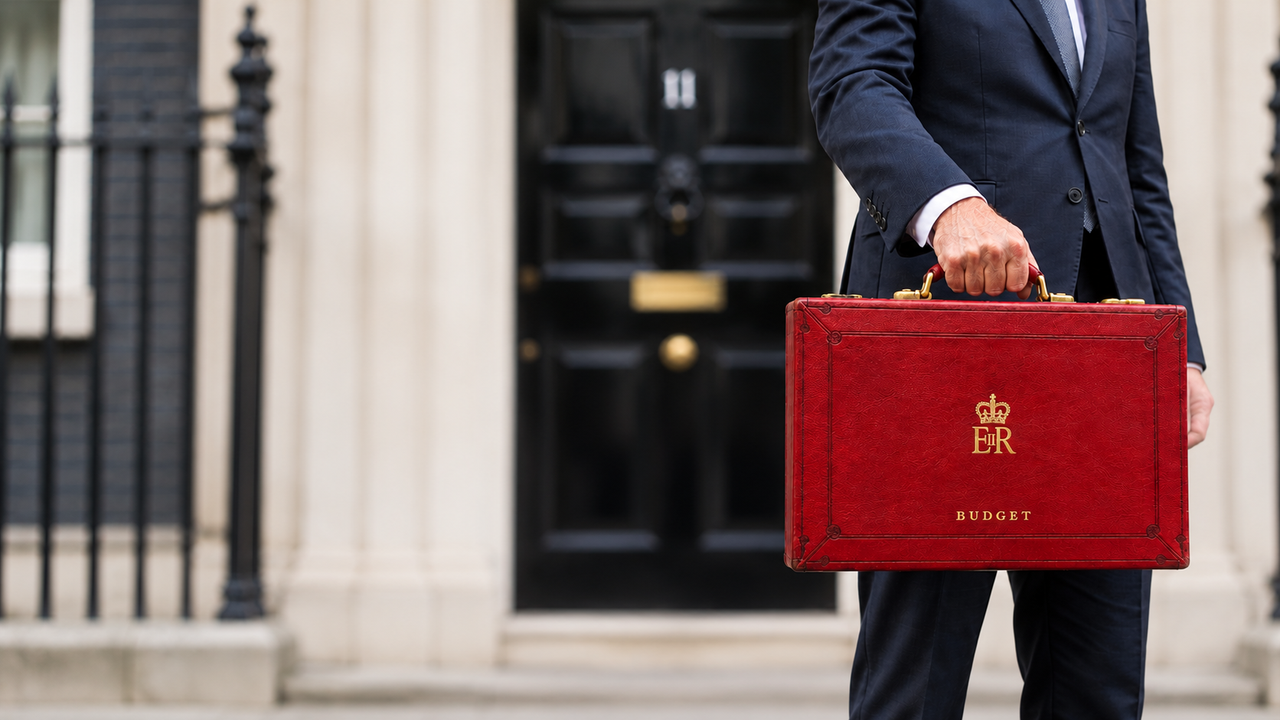
The Budget announced on 28 October changes the commercial arithmetic for businesses across Britain. Some will pay more tax; others could benefit from support for household spending or property purchases. Many will experience both higher costs and potential improvements in demand, with the effects arriving at different times.
Plimsoll’s independent Industry Analysis reveal the financial positions behind those possibilities. Across gambling, hospitality, housing and transport, rising sales frequently coexist with modest profitability and persistent losses. The figures contained within each company featured in the Industry Analysis establish the financial starting point against which the new measures will operate.
Gambling faces a measurable increase in operating costs
Machine Games Duty will rise from 20% to 25% for affected machines from 1 April 2027. The change applies where the maximum stake exceeds £1 or the maximum prize exceeds £100, bringing additional costs to relevant machines in betting shops, casinos and bingo premises.
The listed operators have begun quantifying their exposure. Entain estimates an additional annual cost of £25 million before mitigation and expects to offset the impact fully by the end of 2028 through changes to its estate, operational improvements and potential market-share gains. Rank forecasts approximately £9 million annually, with around £2 million falling in its financial year ending June 2027 before mitigation.
Entain’s shares initially rose as the increase proved smaller than investors had feared. The response illustrates how market expectations and operating costs can move in different directions: relief on the stock market still leaves a larger duty bill to manage.
Those estimates concern substantial groups with their own operating structures. Plimsoll’s Casino Operators Industry Analysis covers 59 companies, reporting average sales growth of 1.9% and profitability of just 0.7%. Eighteen companies have recorded losses for two consecutive years. In the separate Bingo Industry Analysis, covering 58 companies, average growth is 3.2%, profitability is 3.1% and 11 are serial loss-makers.
Capacity to absorb the duty increase varies considerably. For an operator already struggling to retain a profit, a higher machine-tax bill reduces the contribution available for staffing, premises and investment. Entain’s mitigation timetable also demonstrates that adaptation takes time; its expectations cannot be assumed to apply across the industry.
Hospitality must balance rates relief against higher wages
Restaurants and hotels face several changes at once. The Budget provides a two-year real-terms freeze on business rates bills for qualifying retail, hospitality and leisure properties in England, alongside more generous small-business relief. The threshold for full relief rises from £12,000 to £18,000 of rateable value for qualifying properties. Eligibility matters, and a real-terms freeze still allows cash bills to increase with inflation.
Meanwhile, as Stockopedia’s Budget review highlights, statutory wage rates rise next April. The National Living Wage increases by 3.9% to £13.21 an hour, while the rate for 18- to 20-year-olds reaches £11.27. The effect on each employer depends on staffing levels, hours worked and existing pay rates.
Plimsoll’s Restaurants Industry Analysis shows how narrow the margin for adjustment already is. Among 1,082 companies, average sales growth stands at 1% and profitability at 0.9%. Some 282 are serial loss-makers, while 440 receive Plimsoll’s Danger rating. These categories can overlap and should not be added together.
The Hotels London Industry Analysis covers 218 companies, with average growth of 1.9% and profitability of 3.2%; 53 have made losses for two consecutive years. The capital’s hotel businesses therefore enter the changes from markedly different financial positions.
Household energy payments and the extended electricity VAT cut could help protect discretionary spending. The package includes £100 payments for eligible households in England’s council tax bands A to D, with the electricity VAT reduction continuing to July 2027. Any benefit to bookings or restaurant visits remains indirect, however. Employers can calculate their wage commitments more readily than they can predict how much household support will reach their tills.
Housing support must translate into completed transactions
The £4.7 billion Your First Home scheme offers a potential source of housing demand. Its first equity loans are due in April 2027, supporting eligible first-time buyers in England. Household income caps are £110,000 outside London and £140,000 within it. The separate First Time Buyer ISA begins in April 2029, so its timetable is longer.
For housebuilders, the commercial opportunity depends on converting eligible buyers into reservations and completed sales. Financing a purchase addresses one constraint. Developers must still have suitable homes available and enough working capital to deliver them, while purchasers must meet the scheme’s conditions and secure mortgage finance.
Plimsoll’s House Builders Industry Analysis covers 1,861 companies, with average sales growth of only 0.3% and profitability of 1.3%. It identifies 460 serial loss-makers. Additional demand could improve trading, although builders still need to fund construction before receiving the proceeds of completed sales.
Further along the transaction chain, the Estate Agents Industry Analysis reports average growth of 6.7% across 2,450 companies, although profitability is 1.4%. The Mortgage Advisers Industry Analysis records growth of 7% and profitability of 1.6% among 672 companies. Despite rising sales, both groups report limited average margins, making the conversion of enquiries into completed business particularly important.
The temporary bank surcharge increase, from 3% to 6% between January 2027 and March 2028, adds another consideration for lenders. It does not establish that mortgage prices will rise by any particular amount. Competition, funding costs and lending appetite will determine how individual banks respond, making actual lending terms the relevant evidence for property businesses.
Fuel-duty support preserves breathing room for hauliers
The extension of the existing 5p fuel-duty cut postpones a scheduled cost increase until July 2027. For road haulage, that offers useful continuity in a major operating expense. It does not guarantee lower pump prices, which remain exposed to changes in the underlying fuel market.
Plimsoll’s Road Haulage Industry Analysis covers 1,919 companies. Average sales growth of 3.9% sits alongside profitability of 1.8%, while 318 companies have recorded consecutive losses and 459 are rated in Danger. Growth alone is evidently providing limited protection for part of the market.
For these operators, preserving the discount can help protect cash, but the eventual benefit depends on fuel consumption and customer contracts. Where charges adjust with fuel costs, some benefit may flow through to customers. Vehicle utilisation, financing commitments and payment terms will continue to influence what remains from each job.
The extension also gives operators time to review contracts ahead of July. Forecasting the scheduled duty increase alongside different fuel-price assumptions would help expose which routes or customer relationships leave the business most vulnerable to a further cost rise.
Across these sectors, the practical task is to assess each measure against the business that must absorb it. Plimsoll’s Industry Analysis helps directors compare profitability, financial strength and direction with relevant competitors. Combined with current management accounts and forecasts, that evidence helps distinguish companies with room to invest from those whose immediate priority is protecting cash as the Budget takes effect.